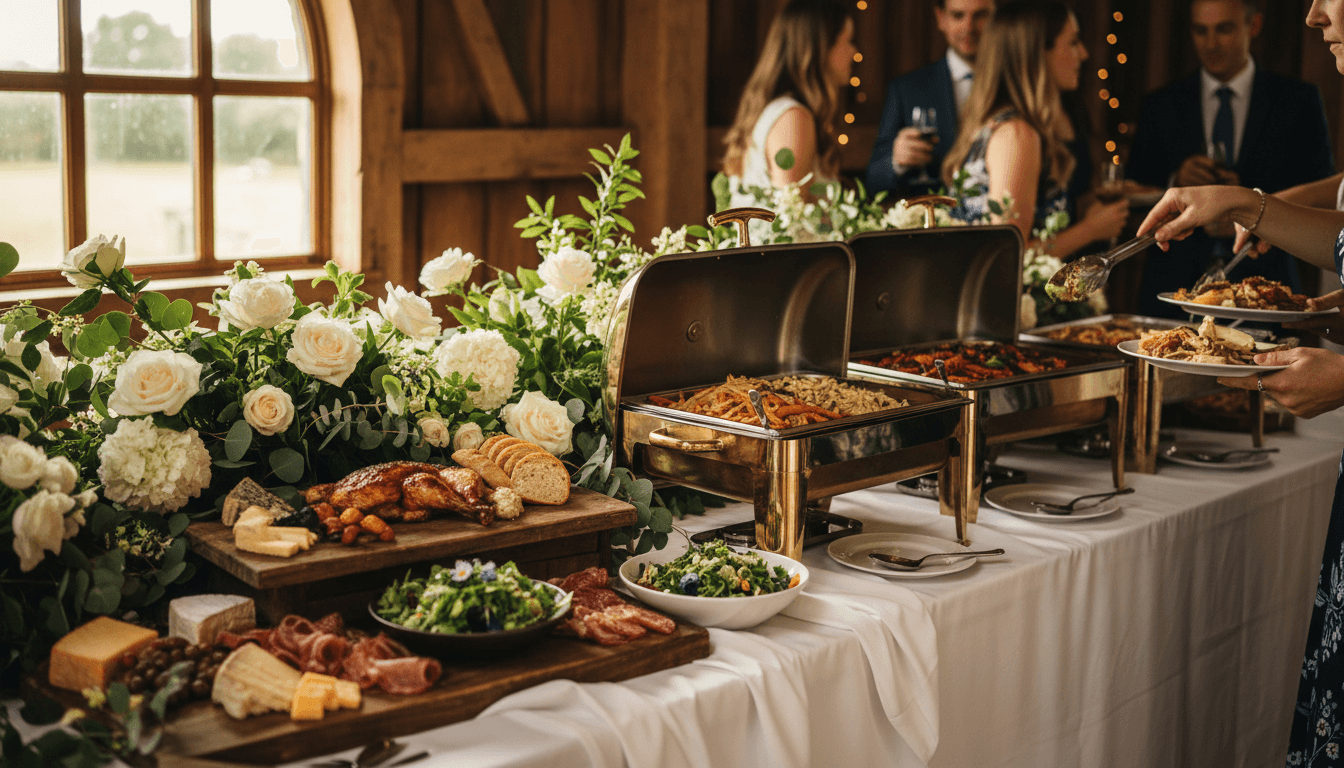
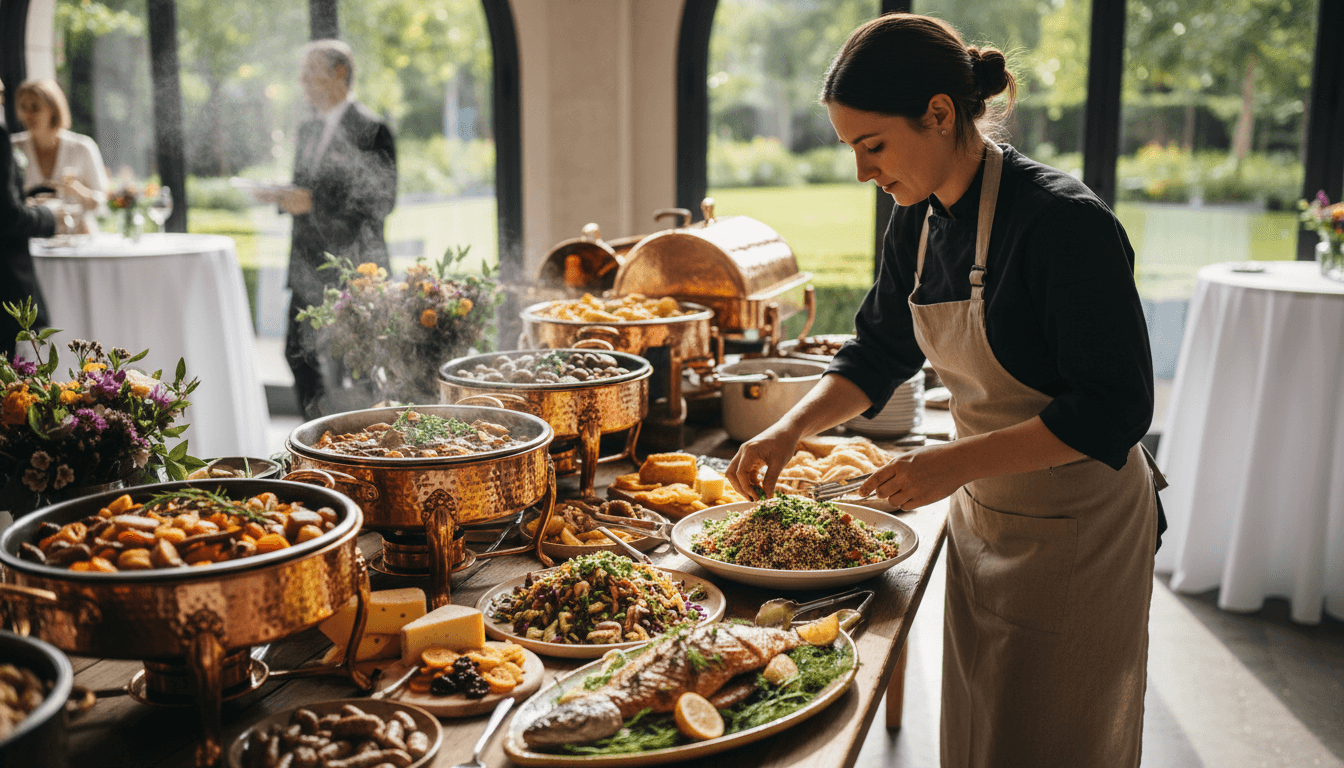
Reducing your buffet catering cost per head involves streamlining the menu with seasonal ingredients, opting for self-serve stations, and limiting hors d'oeuvre selections to three varieties. Using smaller plates and swapping traditional seated starters for light canapés further minimizes waste; these simple adjustments maintain food quality while significantly lowering the overall price per guest.
Planning a high profile event often feels like a delicate balancing act between providing a lavish experience and adhering to a firm budget. The frustration of watching your buffet catering cost per head climb without a clear understanding of the drivers can overshadow the excitement of hosting. At The Urban Gourmet Co., we believe that true culinary sophistication is defined by strategic planning rather than just the price tag. This guide provides a professional deep dive into managing your catering investment effectively within the UK market. We will analyze how buffet service compares to plated alternatives, the art of menu engineering, and the financial benefits of seasonal sourcing in Oxfordshire. Furthermore, we will address the logistical nuances of dietary requirements and hidden equipment costs. You will gain the practical insights needed to host a gourmet event that reflects your standards while maintaining a disciplined bottom line.
Understanding Buffet Catering Cost Per Head in the UK
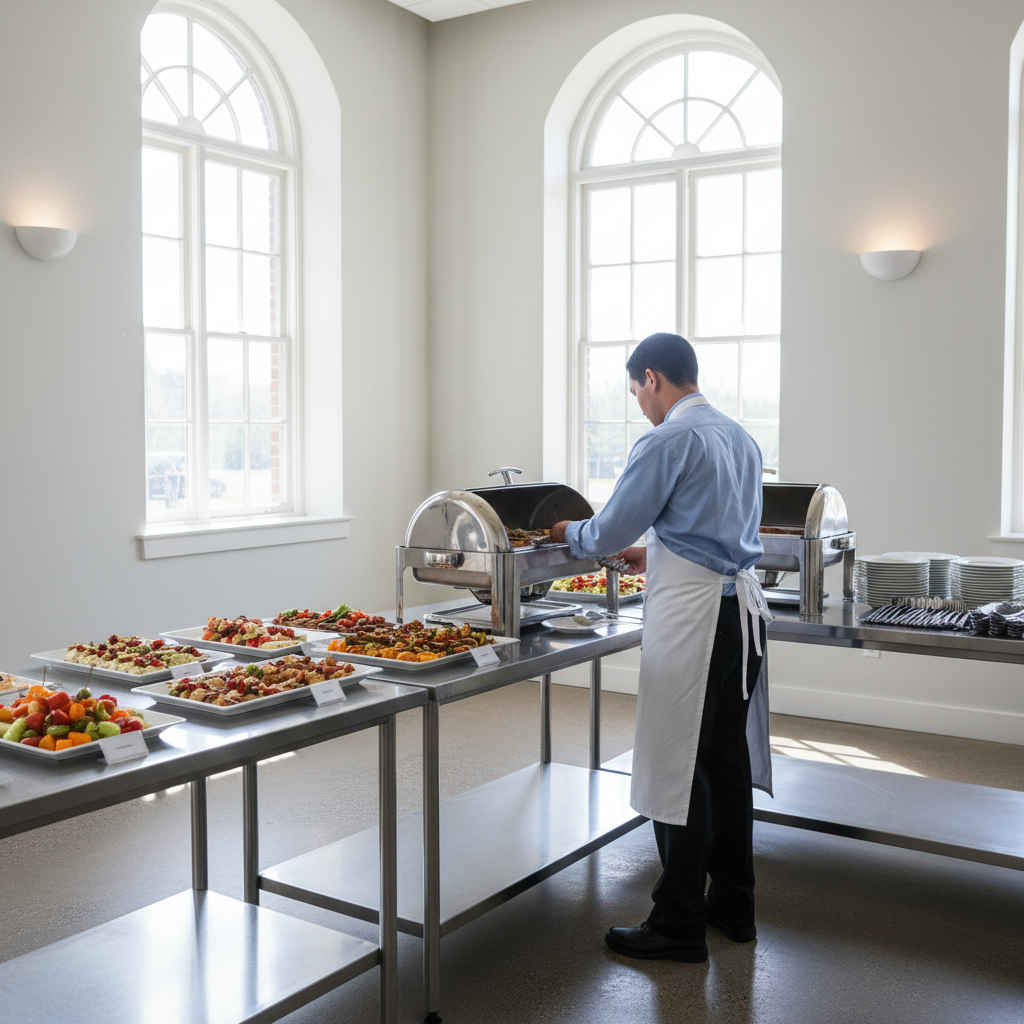
Navigating the financial side of event planning begins with a clear understanding of what a buffet catering cost per head actually represents. It is rarely a simple price for ingredients. Instead, a professional quote encompasses the entire logistics chain: the procurement of premium ingredients, the skilled labor involved in preparation, safe transport to your venue in Abingdon, and the specialized equipment required for presentation and food safety.
While a DIY approach might seem like a way to save money, it often overlooks the hidden expenses of retail pricing and significant food waste. Professional caterers utilize established supply chains to source high-quality produce at wholesale rates. We also apply precise portion control metrics based on years of experience, ensuring guests are well-fed without the costly overage that typically occurs when home-cooking for large groups. This efficiency often makes professional services a better long-term value than purchasing individual items at supermarket prices.
In the Abingdon and wider Oxfordshire area, the market rate for quality buffet catering typically falls within the following ranges:
Buffet Type | Estimated Cost Per Head | Typical Inclusion |
|---|---|---|
Express/Drop-off | £12 – £18 | High-quality sandwiches, savories, and basic salads. |
Deluxe Cold Buffet | £18 – £25 | Artisanal meats, diverse salads, and gourmet tarts. |
Hot Fork/Event Buffet | £25 – £35+ | Hot mains, sides, desserts, and full setup service. |
When reviewing catering packages, it is essential to confirm which of these tiers aligns with your event's goals. While lower-cost options provide excellent value for corporate lunches, milestones like weddings may require more complex menus that move wedding buffet prices toward the upper end of the scale. Understanding these baselines allows you to make informed decisions about where to allocate your budget for the best possible guest experience.
Is Buffet Style Cheaper Than Plated Catering?
Choosing between a seated service and a self-serve layout is a primary factor in your final quote. While a plated meal offers precision, a buffet is generally more cost-effective for large gatherings in Oxfordshire. The primary reason is labor. A three-course plated dinner requires a substantial ratio of wait staff to guests to ensure food arrives hot and plates are cleared efficiently. In contrast, a buffet setup significantly reduces the number of front-of-house personnel needed, which lowers the overall service fee.
However, the trade-off lies in portion control. In a plated setting, every gram of protein is accounted for. For a buffet, a professional caterer must prepare approximately 10% to 15% more food to ensure the final guest in the queue enjoys the same selection and abundance as the first. This extra volume is why the buffet catering cost per head is not always as low as people expect.
Service Component | Plated Catering | Professional Buffet |
|---|---|---|
Labor Requirement | High (Ratio approx. 1:10) | Low (Ratio approx. 1:30) |
Food Quantity | Precise | Surplus (for presentation) |
Equipment Needs | High (Crockery/Polishing) | Moderate (Chafing/Platters) |
The professional buffet serves as the sweet spot for modern events. By leveraging expert portion planning, we minimize the labor burden while maintaining high-impact presentation, providing a sophisticated experience that remains budget-conscious.
Menu Engineering: Choosing the Right Dishes to Save Money
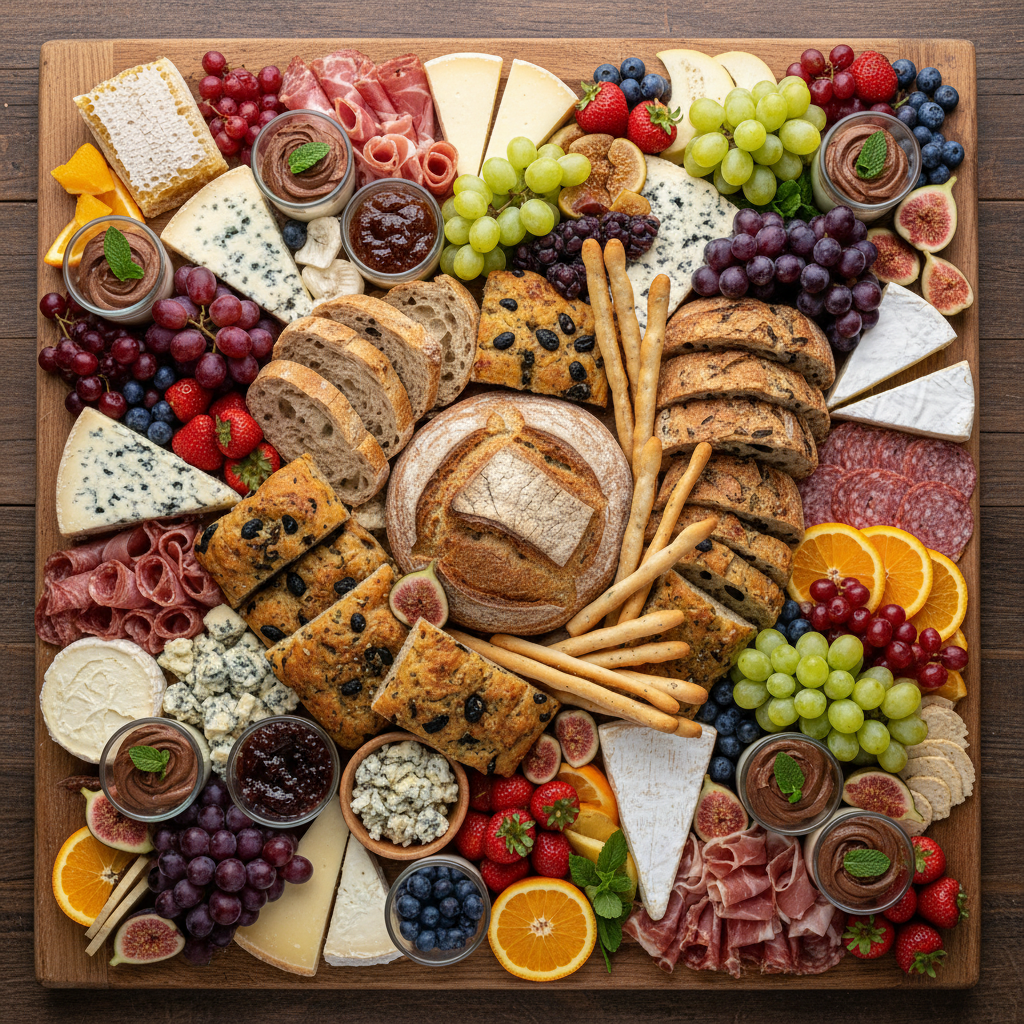
Menu engineering is a strategic approach that shifts the focus from basic dishes to high-impact, cost-effective ingredients. In Abingdon, we often see clients tempted to offer a vast array of five or six main courses to ensure every guest has a specific choice. However, this variety increases preparation complexity and naturally drives up the buffet catering cost per head. By limiting your selection to two or three expertly executed main options, you reduce labor hours in the kitchen and significantly minimize the food waste that occurs when trying to maintain multiple hot stations.
The key to successful menu engineering lies in selecting proteins that thrive in a buffet environment. While individual fillets or delicate fish are expensive and difficult to hold at temperature, slow-cooked meats offer a more sophisticated, melt-in-the-mouth experience for a lower ingredient cost. A rich beef brisket braised in local ale or a fragrant lamb tagine feels like a premium choice, yet these cuts are more economical than prime steaks. Similarly, gourmet pies with artisanal crusts provide a comforting, high-end feel while remaining budget-friendly.
Engineering Strategy | Impact on Cost | Practical Benefit |
|---|---|---|
Focused Proteins | High Reduction | Slow-cooked meats are cheaper to source and hold quality better over time. |
Limited Main Selection | Moderate Reduction | Reduces kitchen prep complexity and simplifies inventory management. |
Vibrant Seasonal Sides | Moderate Reduction | Uses seasonal produce to add volume and color without protein-level pricing. |
Complementing these core proteins with vibrant, grain-based salads or seasonal roasted vegetables ensures the plate looks generous and colorful. A well-engineered menu prioritizes depth of flavor over a long list of options, ensuring that the two mains you do serve are exceptional. This streamlined approach allows us to allocate your budget toward higher-quality, locally sourced ingredients that guests will truly notice and appreciate.
Seasonal Sourcing and Local Ingredients in Oxfordshire
At The Urban Gourmet Co, we prioritize sourcing ingredients from within the Abingdon and Oxfordshire food network. This is a strategic financial choice that directly benefits our clients. Importing out-of-season produce involves high logistics fees and premium market rates, which ultimately inflate your buffet catering cost per head. By aligning menus with the natural harvest cycle of the Thames Valley, we secure ingredients at their peak quality and lowest market price.
Local sourcing allows for high-impact dishes without the premium price tag. For instance, a winter menu might feature a rich, creamy root vegetable gratin using locally grown parsnips and potatoes. These ingredients are abundant and inexpensive in the colder months. Conversely, a summer buffet shines with a vibrant fresh pea and mint salad, utilizing legumes harvested just miles from our kitchen rather than flown in from overseas.
Season | Local Star Ingredient | Cost-Effective Dish Example |
|---|---|---|
Winter | Earthy Root Vegetables | Slow-baked Root Vegetable Gratin |
Spring | Tender Alliums & Greens | Roasted Stem Broccoli with Garlic and Lemon |
Summer | Sweet Peas & Broad Beans | Chilled Pea, Mint, and Feta Salad |
Autumn | Orchard Fruits & Squash | Roasted Butternut Squash with Sage and Honey |
When we design our catering packages, we look at the agricultural calendar first. Selecting a menu that relies on what Oxfordshire farmers are harvesting ensures your budget is spent on flavor rather than freight. This approach keeps wedding buffet prices stable, as we avoid the volatility and lower quality associated with global produce markets.
Smart Management of Dietary Requirements
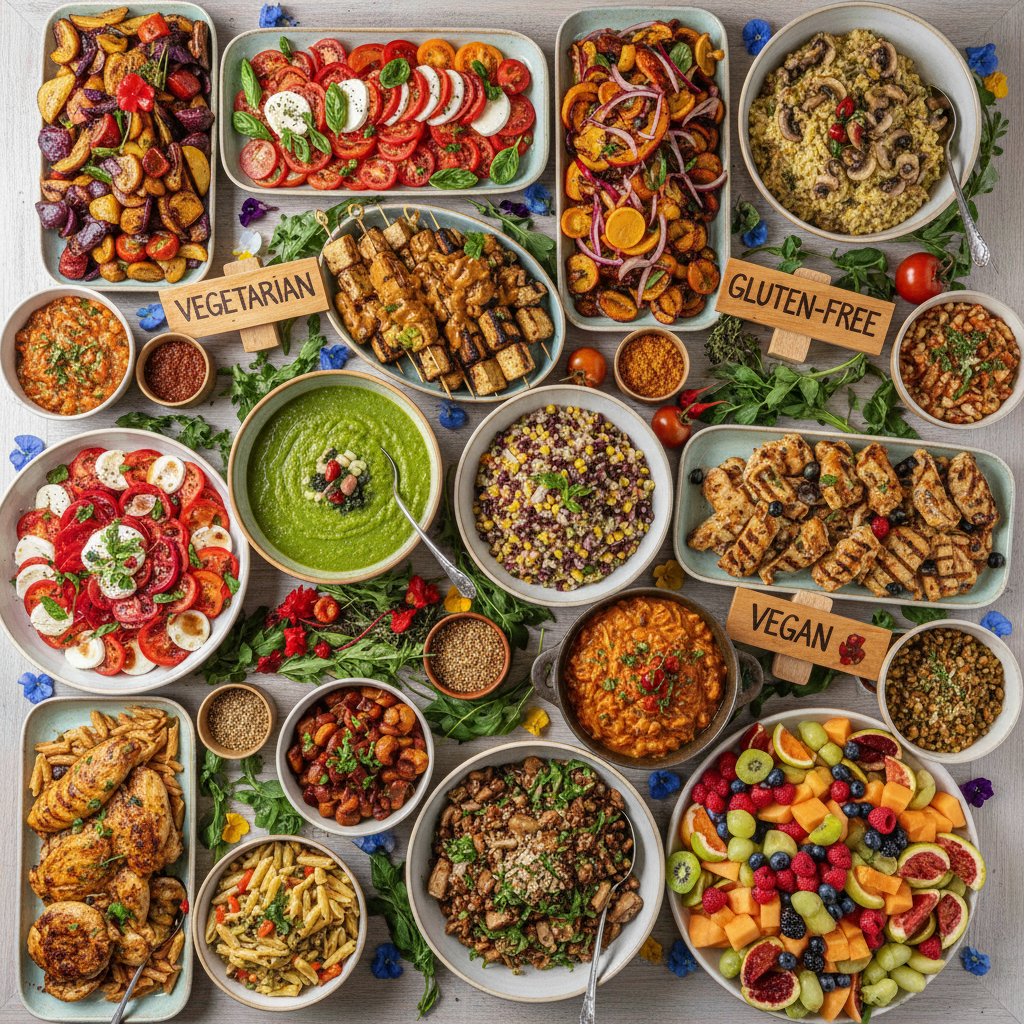
Building on the efficiency of seasonal sourcing, the way you handle dietary requirements offers another significant opportunity to control your buffet catering cost per head. Many event planners view dietary restrictions as a series of expensive, one-off substitutions. Preparing a bespoke meal for a single guest requires separate preparation areas, dedicated ingredient procurement, and individual plating, all of which drive up labor costs and logistical complexity.
A more professional approach is to design a menu that is naturally inclusive. Instead of adding specialized extras to a standard menu, we recommend selecting high-quality dishes that are inherently vegan, gluten-free, or dairy-free. For example, a fragrant lentil dahl or a vibrant heritage tomato and basil salad appeals to every guest while simultaneously covering multiple dietary needs. When a dish is designed for everyone to enjoy, you eliminate the labor-intensive premiums typically associated with catering packages.
Dietary Strategy | Traditional Approach | The Inclusive Approach |
|---|---|---|
Production Logistics | Multiple separate small-batch meals | Streamlined, large-batch production |
Cost Efficiency | High surcharges for bespoke plates | Integrated into standard per-head pricing |
Guest Experience | Restricted guests feel singled out | A unified, high-end dining experience |
By focusing on sophisticated, naturally allergen-aware dishes, you ensure your Abingdon event feels generous and cohesive. This strategy streamlines our kitchen production and allows your budget to be spent on premium ingredients rather than the administrative overhead of managing twenty different individual meal types.
Managing Guest Lists and RSVP Accuracy
Controlling the total volume of food is the most direct way to impact your final invoice. While managing dietary needs streamlines the kitchen, the guest list is the most powerful lever for reducing the total buffet catering cost per head. Over-ordering is a common pitfall in Abingdon event planning, often driven by the fear of running out of food; however, professional caterers already incorporate a production buffer to ensure abundance. If you order for 100 people when only 85 are likely to attend, you are paying for 15 portions that will ultimately go to waste.
To maintain budget precision, we recommend a disciplined timeline. Set an RSVP deadline for guests three weeks before the event and follow up with non-responders immediately to confirm a definitive count. Communicating your final, confirmed numbers to us 7 to 10 days in advance allows for precise ingredient procurement.
Guest Strategy | Impact on Budget | Result |
|---|---|---|
Firm RSVP Deadlines | High | Prevents paying for no-shows and reduces food waste. |
Trusting the Buffer | Moderate | Avoids unnecessary over-ordering by relying on professional portioning. |
Accurate Headcounts | High | Ensures catering packages are scaled correctly to the venue capacity. |
This level of accuracy allows us to allocate your budget toward premium quality rather than quantity for empty chairs. Relying on professional portioning ensures a generous display without the financial burden of excess, keeping your wedding buffet prices or corporate event costs within a sustainable range.
Equipment and Setup: Hidden Cost Killers
Logistics and presentation equipment frequently act as the silent drivers of your final invoice. While general advice often suggests simply using cheaper tableware, the most significant savings come from choosing the right service model for your Abingdon venue. A professional drop-off delivery service avoids the premium fees associated with equipment hire and onsite labor. For corporate lunches or casual birthday celebrations, this high-quality delivery approach can shave several pounds off the buffet catering cost per head compared to a full-service setup.
For formal occasions, the cost increases due to the need for chafing dishes, professional linens, and staff to manage the stations. By selecting specific catering packages designed for delivery, you eliminate collection fees and washing-up surcharges. If your event allows for a more relaxed atmosphere, providing your own crockery or utilizing our premium disposable options ensures your investment focuses entirely on the quality of the food rather than the hardware surrounding it.
Service Level | Equipment Provided | Budget Impact | Recommended Use |
|---|---|---|---|
Professional Drop-off | Recyclable or compostable platters | Lowest | Office lunches, home parties |
Self-Service Setup | Chafing dishes and serving utensils | Moderate | Large community gatherings |
Full-Service Buffet | Linens, ceramic plates, and service staff | Highest | Weddings and formal galas |
Carefully considering the necessity of a manned station helps keep wedding buffet prices manageable while maintaining the sophisticated culinary standard The Urban Gourmet Co is known for.